Author: Maureen M. Cohen, Ed.D.
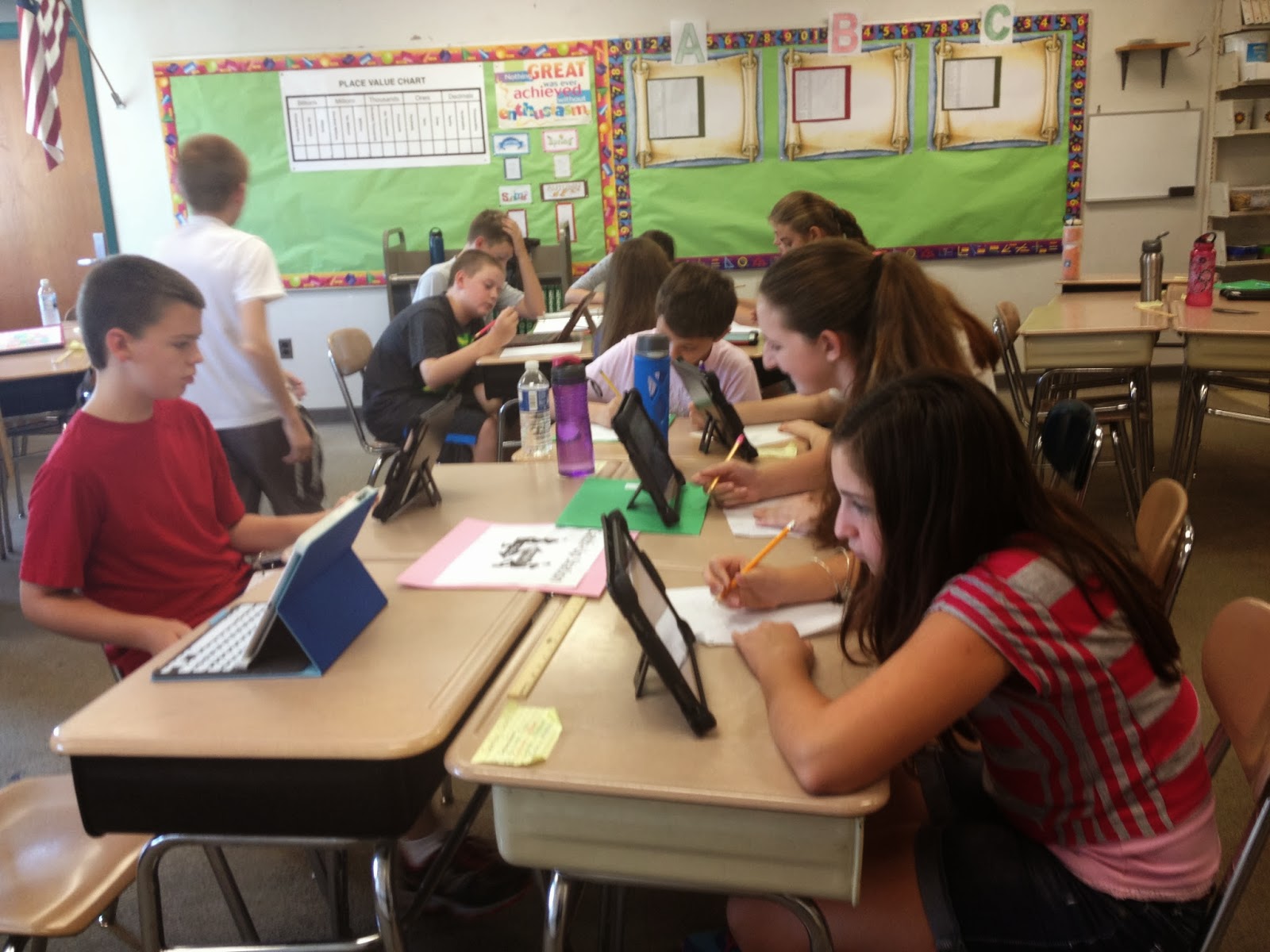
iPads for inquiry
Curriculum Mapping for Quality and for the 21st Century
When talking about Curriculum Mapping, Heidi Hayes Jacobs’ name usually comes up as the curriculum mapping guru. Heidi Hayes Jacobs has a lot to offer us for advice on how to work through the process effectively.
The following are some coaching questions to review when looking at our own guides offered from her book Getting Results with Curriculum Mapping (p. 43).
Essential Questions:
- What overarching question(s) will serve to guide instruction and to push students to higher levels of thinking?
- What overarching questions might help students to link or connect a “big Idea” or topic to other concepts?
- What is the Big Idea or broad topic you will be covering?
- What are the major underlying concepts for your Big Idea?
- What are the enabling skills or processes that will ensure mastery of the big Idea?
- On what skills do you spend a significant amount of time?
- What would you accept as evidence that students understand the Big Idea?
- What product or performance will the students produce?
- Do the assessments allow students to demonstrate their learning or understanding in multiple ways?
- As you consider skills, what practice activities would you use to help students learn the concept?
- What specific support materials, books, field trips, videos, or Web sites do you use or incorporate in your teaching?
_________________________________________________________________________________
Constantly keep in mind as you curriculum map…. “We need to prepare students for THEIR future not OUR past.”
— Ian Jukes, Educator and Futuris
Please view this excellent Ted Talk by Heidi Hayes Jacobs—
Preparing our Students for 1982 by Heidi Hayes Jacobs
Question to think about: What have you done to change your own instructional practices to meet the future needs of our students?
Differentiation Alive and Well in Math Classes
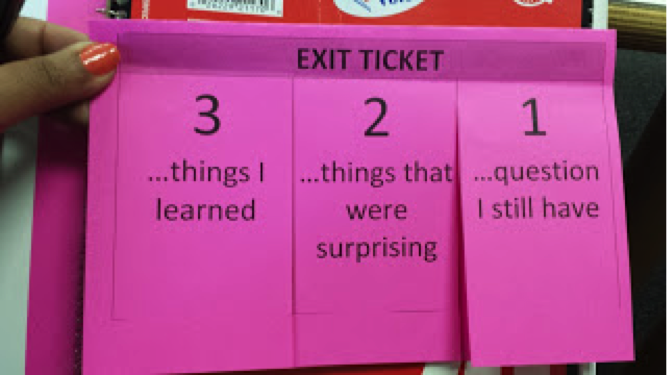
4-2-1 Free Write–Common Core Strategy
Checking for Understanding
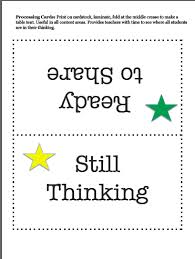
How do we know that our students are getting it? There are numerous quick strategies to check for student understanding in class. How many of these techniques are you using in the classroom? What kinds of informal and formal formative assessments are taking place? Do you employ a wide variety of strategies to help engage students? Here are a few new ideas to help you get started…
- Hand Signals: Students make gestures with hands to signal an answer.
- Roll the Dice: students are in groups of six and are designated a number 1-6. When their number is rolled on the dice they share their information or answer.
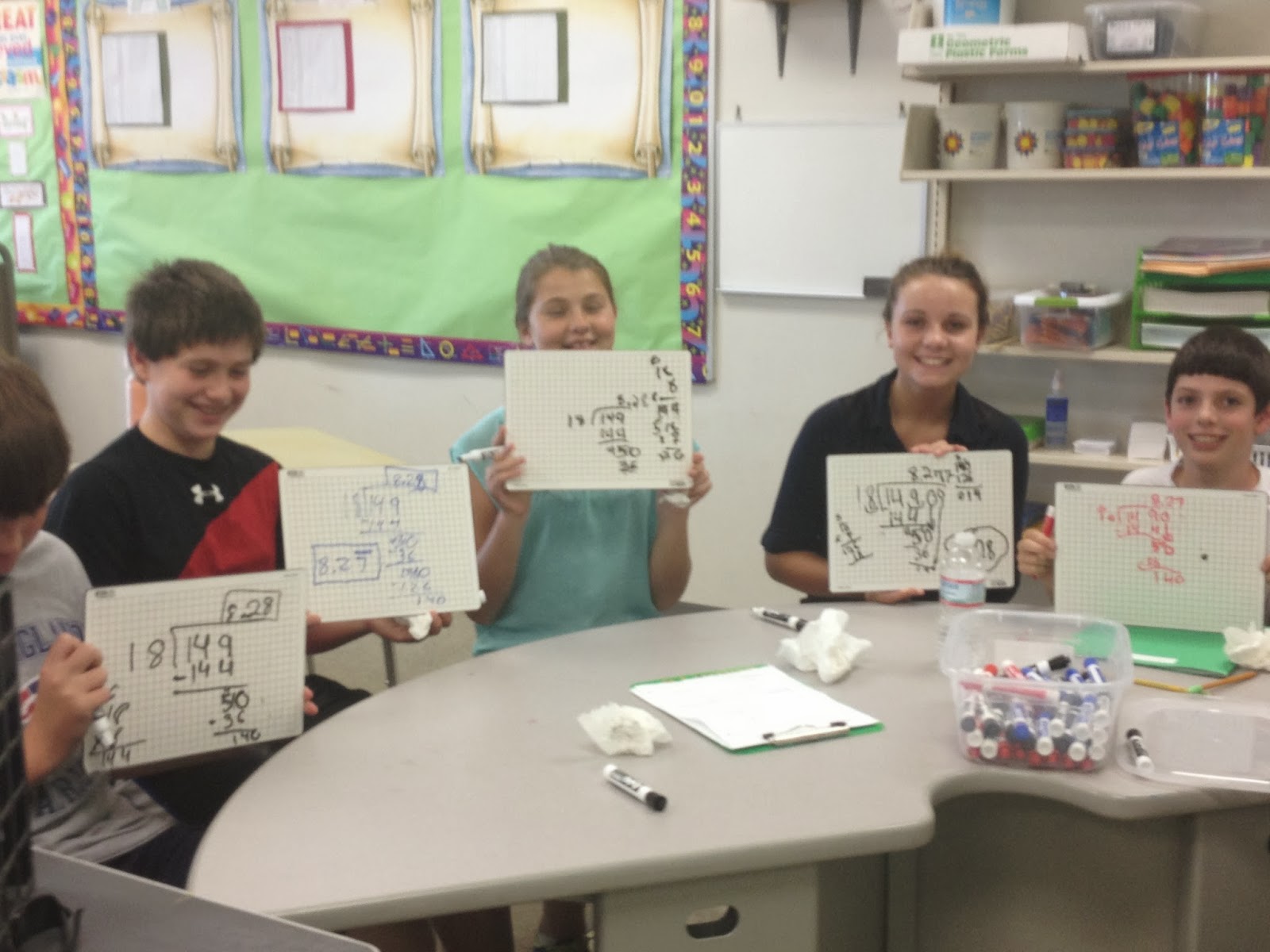
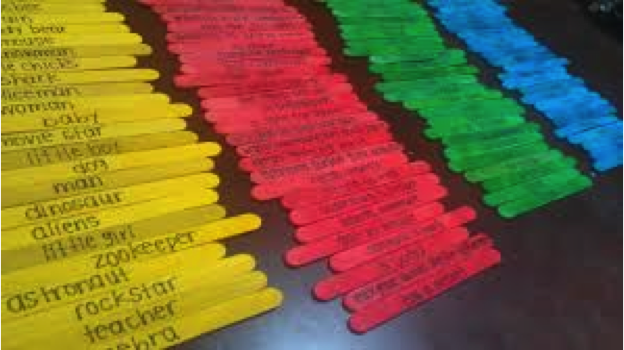
- Response Boards: students use mini whiteboards/chalkboards or laminated construction paper to write ideas and answers. They hold them up for the teacher to see when prompted.
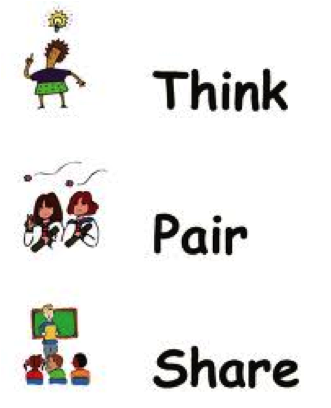
- Think-Pair Share: all students receive individual time to formulate an answer, pair up with a partner to discuss and then share out to the class
Summer Reading
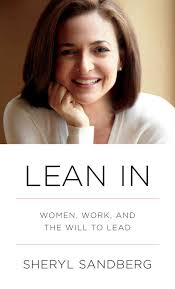
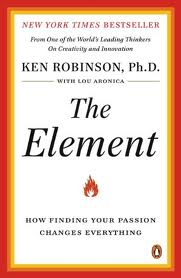
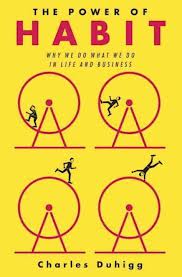
For our MSSAA assistant principal committee we agreed to read the following books for summer reading:
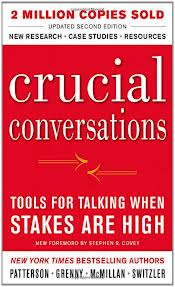
Trust Edge and Crucial Conversations
The Trust Edge by David Horsager and Crucial Conversations by Kerry Patterson. Both of these I have read in the past and recommended, but in reading them again, they definitely are timeless and great reminders of how those of us in education and as educational leaders are ultimately in a people business.
The Trust Edge provides great examples and strategies to follow the “pillars of trust” to help have the right edge to lead your organization.
Crucial Conversations is an excellent introduction to how to provide feedback and have honest conversations, which can sometimes be difficult. It provides great insight into how to make conversations fruitful and focused on continuous improvement.
Other recommended reads this summer include:
Please add in suggestions of books that other educational leaders should read.
Providing Speaking Prompts
I came across an excellent blog called “Teaching the Core: A Non-Freaked Out Approach to the Common Core.”
Here is an excerpt from one of the blogs on Speaking and Listening, which provided ways the teacher shared with students specific writing prompts, to help them learn the various speaking/listening standards and put them into practice. What I love about the writing prompts is that they provide structure and model examples for students who are in the process of learning how to write and speak effectively.
A link to the Full blog is posted here:
www.teachingthecore.com/simple-rubrics-ccss-speaking-and-listening/
Excerpt:
- “Do you refer to evidence from the text under discussion and/or other research pertaining to the subject? (SL.9-10.1a)
- According to ______, ________. In other words, ________
- Do you propel conversations by posing and responding to questions that relate the current discussion to broader themes or larger ideas? (SL.9-10.1c)
- In response to _____’s question, ______.
- _____’s comment about _____ points to the larger issue of _______.
- Do you actively incorporate others into the discussion? (SL.9-10.1c)
- ______, I’m curious what you have to say on this matter, given your previous statement about ________.
- ________ was wise to point out _________; to add to it, I would argue _______.
- Do you clarify, verify, or challenge ideas and conclusions? (SL.9-10.1c)
- ________, I heard you say ________. Am I getting that right?
- _________, is it fair to summarize your point by saying ______?
- ________ said ______, and I would challenge that conclusion with this: ________.
- Do you summarize points of agreement and/or disagreement? (SL.9-10.1d)
- _________ and _______ seem to agree on _________. However, they disagree on __________.
- Do you qualify or justify your own views and/or make new connections in light of evidence and reasoning presented by others? (SL.9-10.1d)
- As you all know, I previously said ________. However, I would like to justify what I said in light of _____’s evidence.
- Are you able to detect fallacious reasoning or exaggerated/distorted evidence? (SL.9-10.3)
- (This one is best explored and modeled with mentor texts or pre-recorded debates.)
- Do you present your ______ (point, information, finding, supporting evidence) clearly, concisely, and logically? (SL.9-10.4)
- Requiring students to use transitions is key for increasing clarity and logic.
- To help them think about clarity, concision, and logic, try showing them videos of themselves or their peers speaking.
- Are you able to show your command of formal English? (SL.9-10.6)
Article Analysis
One strategy to increase students’ literacy skills and to prepare them to become critical consumers and analytic thinkers is to provide them with a high frequency of articles. In order for students to become productive members of society and to evaluate the onslaught of information coming at them from TV, news outlets, and online sources, the students need to start build up their prior knowledge. This is where the introduction of a strategy called “Article of the Week” can be highly effective for introducing students to informational texts. Many of our teachers are already using a similar technique–environmental articles in Environmental Science, current events in history classes, analysis of blogs in 21st century learning and video game design, article analysis in English…..
Please check out this following blog on using the “Article of the Week Strategy.” This strategy could be applied across all of our disciplines to enhance our student’s background knowledge. (Wellness article analysis? Art and music critiques? Spanish news stories?…)
www.teachingthecore.com/resources/article-of-the-week-aow/
Discussion Question: If you are using a similar article of the week strategy please share how you organize and evaluate the strategy with your students.
Social Media-Classroom Use
A recent article by Cathy Swan in the magazine Tech and Learning focused on how social media can be used to transform classrooms. She provided a number of easy strategies for using social media to engage our students:
Collaborate with students using Google Apps for Education. Teach students how to work as a team to create ad share documents or slides using Google documents. Teach students to use the revision history feature to track how students contributed to a project. The comment feature allows students to provide input. The chat feature allows them to collaborate in real-time online.
Use all of the features of the online platform.
At GHS we use School Fusion as our online platform. Are you using all of the provided features such as homework submittal, quizzes, blogs, announcements, or group emails? Other available platforms that some of our teachers are using include Edmodo or Blogger for sharing information.
Give students a voice with voicethreadCreate opportunities for students to record their thoughts on book’s they’ve read or presentations they’ve watched. Art teachers can post art and have students reflect on the assignments. World language teachers can have students record responses to an image, listen to each other’s recordings and respond to one another.
Engage students in current events with Twitter.Use hashtags to search tweets on current topics. Use Paper.li for students to create an updated online newspaper. Encourage yoru students to create a hastag for your class to create a discussion thread about topics you are studying.
Connect with other global classrooms through Epals.Select a language and a student age group and connect with a class in one of 200 countries through Skype, video, or email.
Become a critic with Destiny
The library management system allows students to rate books, post reviews, and share resource lists.
Publish and critique origianl videos on Youtube.
In Google Apps, students and teachers can create their own personal YouTube channels. Keep it “unlisted” to make it private.